Dental implants are long-lasting solutions for missing teeth. While they are ideal for tooth loss, they are not suitable for everyone. Here, we’ll explore the reasons why a dental implant can’t be placed, and what alternatives are available if this is the case. Please note, though, that the information here should only serve as a guide, because a comprehensive assessment by your dentist is the only way to determine your suitability for the treatment.
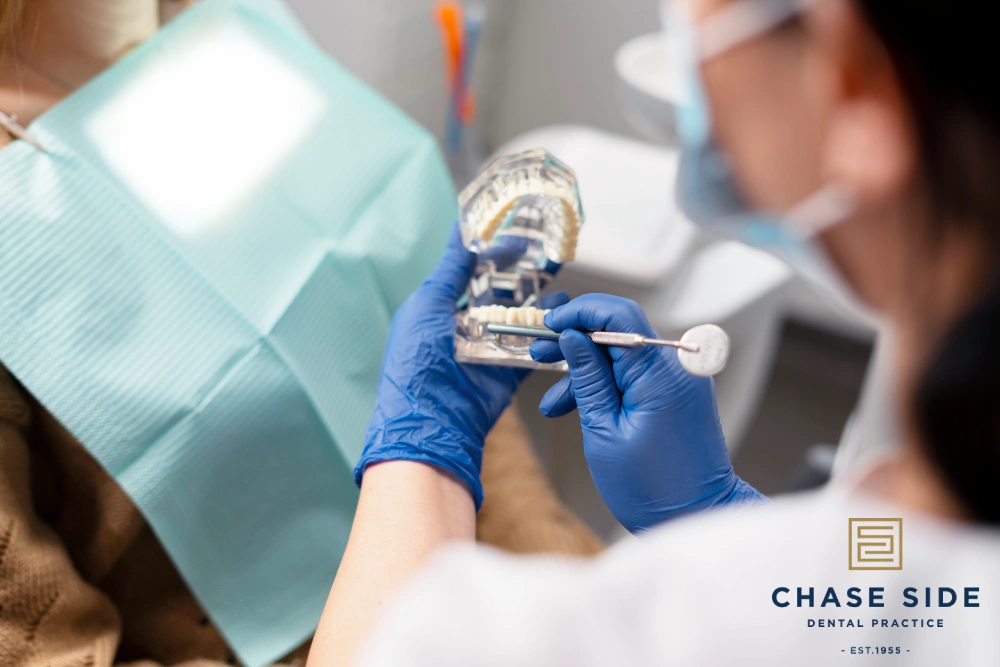
In general, you can have dental implants to replace missing teeth if you:
Your gums need to be in good condition to provide strong support for dental implants. Healthy gums also ensure that the implants will heal properly.
Your jawbone acts as the foundation for dental implants, so it should be solid and strong enough to provide stability.
Dental implants are surgically attached to the jawbone. When you’re in good health, your body can heal well after the surgery, which will allow the implant screw itself to fuse properly with the jawbone.
The dental implant treatment is suitable for adults whose jaw structures have stopped growing, which usually occurs after the age of 18, although some people might still experience jaw growth until the age of 21.
This treatment is not suitable for people who:
Typically, you cannot have dental implants yet if your jawbone has significantly shrunk after tooth loss. Procedures such as a bone graft improve the height, width, or density of the jaw, giving it the required stability to support dental implants.
At Chase Side Dental Practice in Enfield, we assess the condition of thin jaw structures to see if they can be improved to qualify for implants.
A dental implant cannot be placed in inflamed or infected gums. The active problem makes it difficult for the gums to heal properly, increases the risk of infection, and often prevents the implant from fusing with the bone. The infection needs to be treated first before an implant surgery can be considered.
Those who smoke heavily are at risk for implant failure. This is because tobacco use results in the gums healing more slowly, reduced blood flow to the surgery site, and a higher risk of infection. If you smoke, it’s best to stop, so your gums and body can be in better condition to qualify for dental implants.
Certain health issues can increase the risk of dental implants failing. Uncontrolled diabetes, bleeding disorders, and active cancer treatments (such as chemotherapy and radiation) can hinder the gums’ ability to heal properly. These conditions can stop the implants from fusing properly with the jawbone.
Pregnant women should not get dental implants. The treatment requires imaging that should generally be avoided during pregnancy for safety reasons. This missing teeth solution is not an emergency procedure, so it can wait until after delivery.
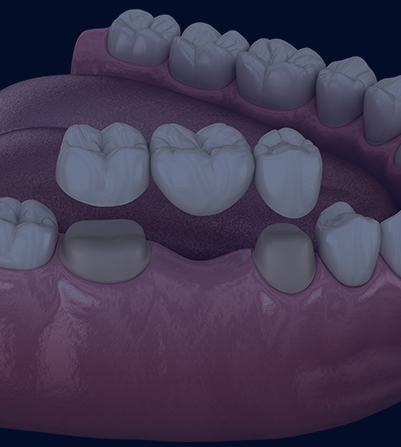
These tooth restorations consist of a false tooth held in place by crowns, which are attached to natural teeth on both sides.
These false teeth improve the function and aesthetics of a smile after tooth loss. Removable dentures can be:
It’s a personal decision to forego any treatment for missing teeth. However, doing so comes with the following risks:
If you’d like to find out whether dental implants are right for you, contact Chase Side Dental Practice in Enfield. We’ll carry out a thorough assessment to determine your suitability and help restore your healthy smile.
Not being able to get dental implants right now doesn’t mean the door is closed for the future. Many issues can be managed and treated first, so that you can have dental implants placed successfully to solve missing teeth problems. Don’t rule out dental implants as an option just from the information you get, because you might still be eligible for the treatment after a thorough evaluation by our experienced implantologist.
Yes, but the patient’s blood sugar level needs to be controlled and at a healthy level before the surgery. This is because high blood sugar can slow down wound healing, prevent the implant from fusing with the bone, and increase the risk of infection.
There is no maximum, but there is a minimum age limit for getting dental implants. Patients should have fully-grown jaws, which typically occurs at around 18 years old but can go as far as the mid-20s. This is why more meticulous assessments are necessary for patients between the ages of 18 and 24, whose jaws may still be developing. On the other hand, you can never be too old to have an implant treatment, as long as all factors for suitability are met.
Yes, they are. There is no age limit for getting dental implants, and the treatment’s success relies more on jawbone quality, overall health condition, proper planning and execution by an experienced dental team.
We love our patients
First class treatment and care through out. Many thanks.

I am completely satisfied with the treatment I receive. My dental maintenance is very challenging for you due to my ongoing medical situation. I appreciate the time you take to work out the best option, explain everything to me and then skilfully carry out the agreed procedure.
My family is relatively new to the practice, under the care of Deborah and Luciana, for which we would like to take this opportunity, to complement them on their professionalism, their care and the way they interact with us, which is always friendly and informative.